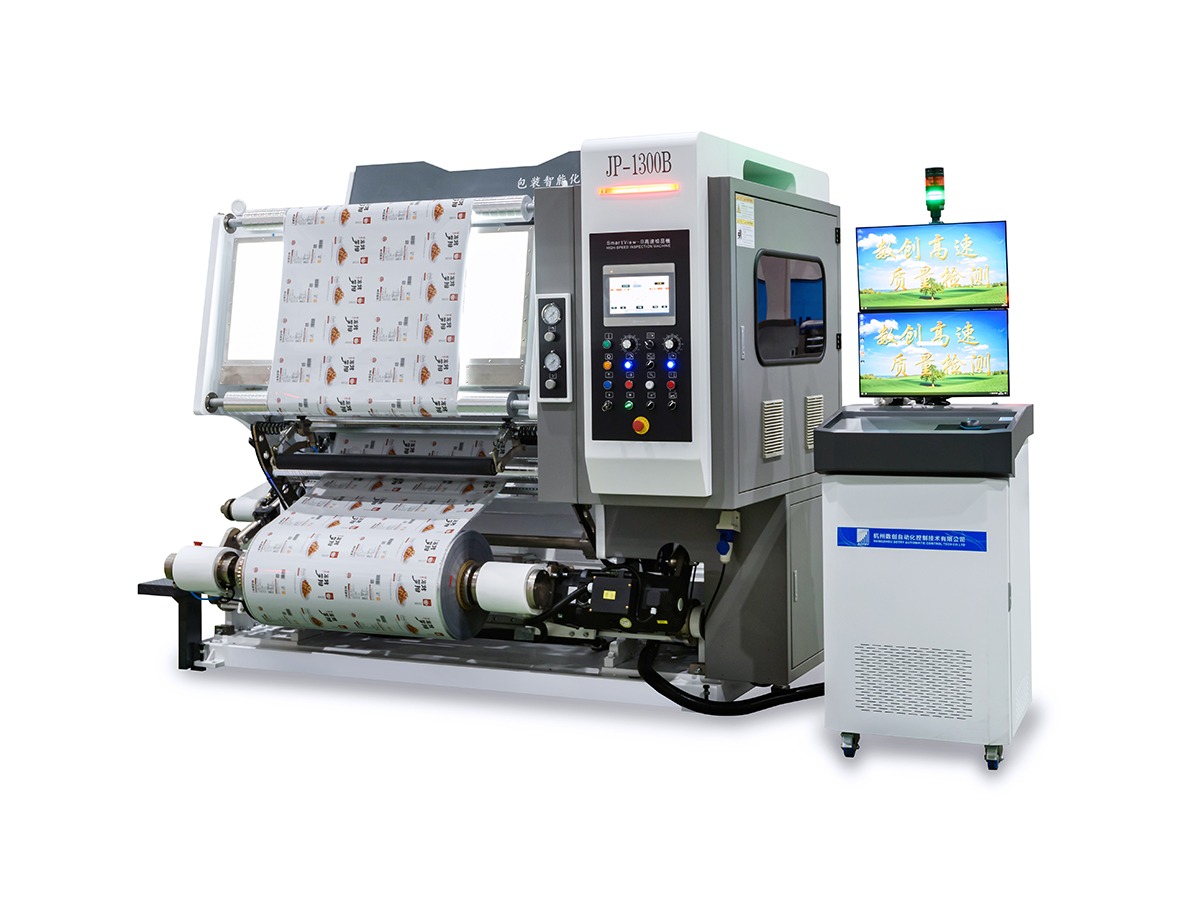
The packaging industry has undergone significant transformation with the advent of advanced lamination technologies. Among these innovations, the solventless laminating machine stands as a pivotal solution for manufacturers seeking efficiency, sustainability, and superior product quality. Unlike traditional lamination methods that rely on chemical solvents, solventless systems use adhesive materials that bond substrates through mechanical and thermal pressure, eliminating volatile organic compound emissions and reducing environmental impact.
Solventless lamination has become the preferred choice for flexible packaging applications, from food packaging to pharmaceutical wraps. The technology enables manufacturers to achieve consistent bond strength, precise coating weight control, and extended shelf life without the hazards associated with solvent-based processes. Understanding how these machines operate and their distinct advantages over conventional methods is essential for packaging professionals making equipment investments.
A solventless laminating machine is a specialized piece of packaging equipment designed to bond two or more substrates together without using chemical solvents. The system applies reactive polyurethane adhesives or other solvent-free bonding agents that cure through controlled application of heat and pressure. These machines are engineered to handle various film materials, including polyethylene, polypropylene, polyester, aluminum foil, and kraft paper combinations commonly used in flexible packaging applications.
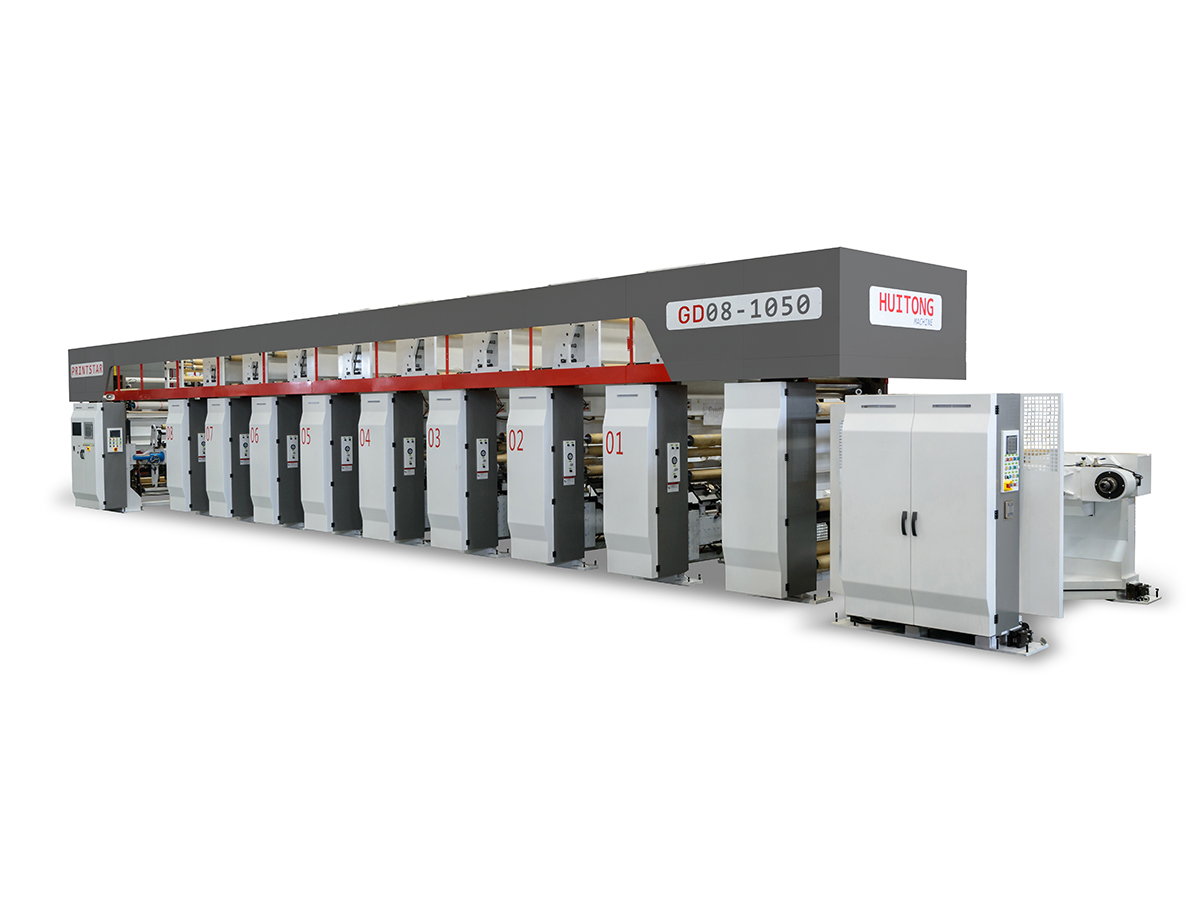
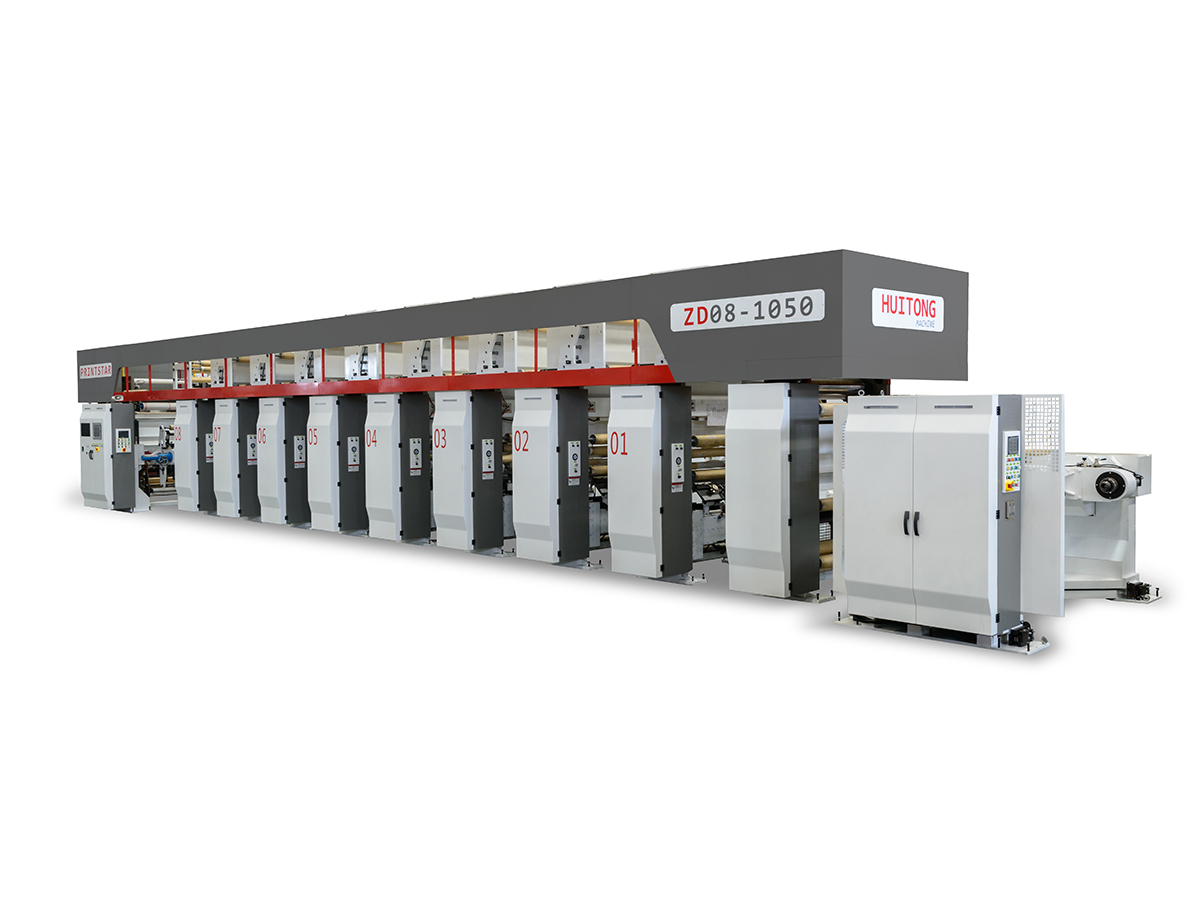
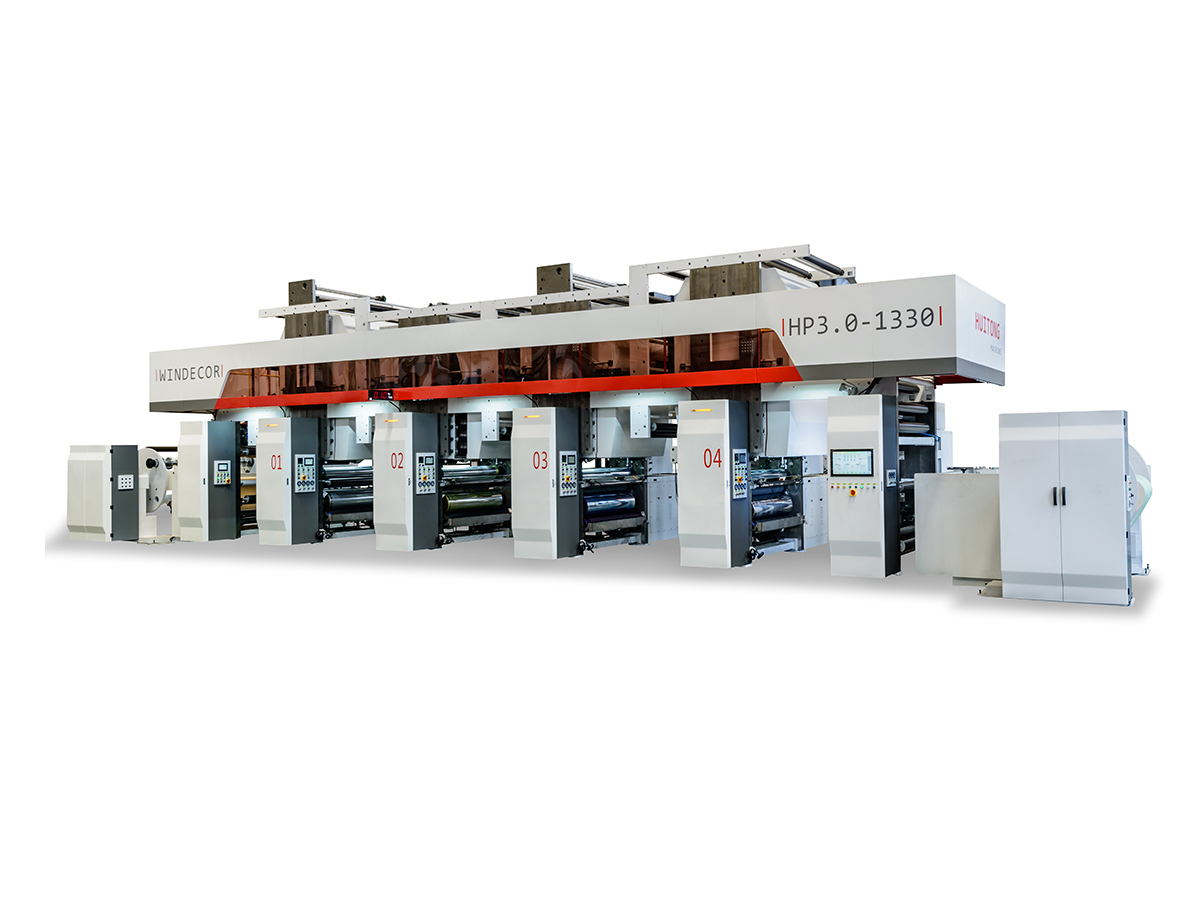
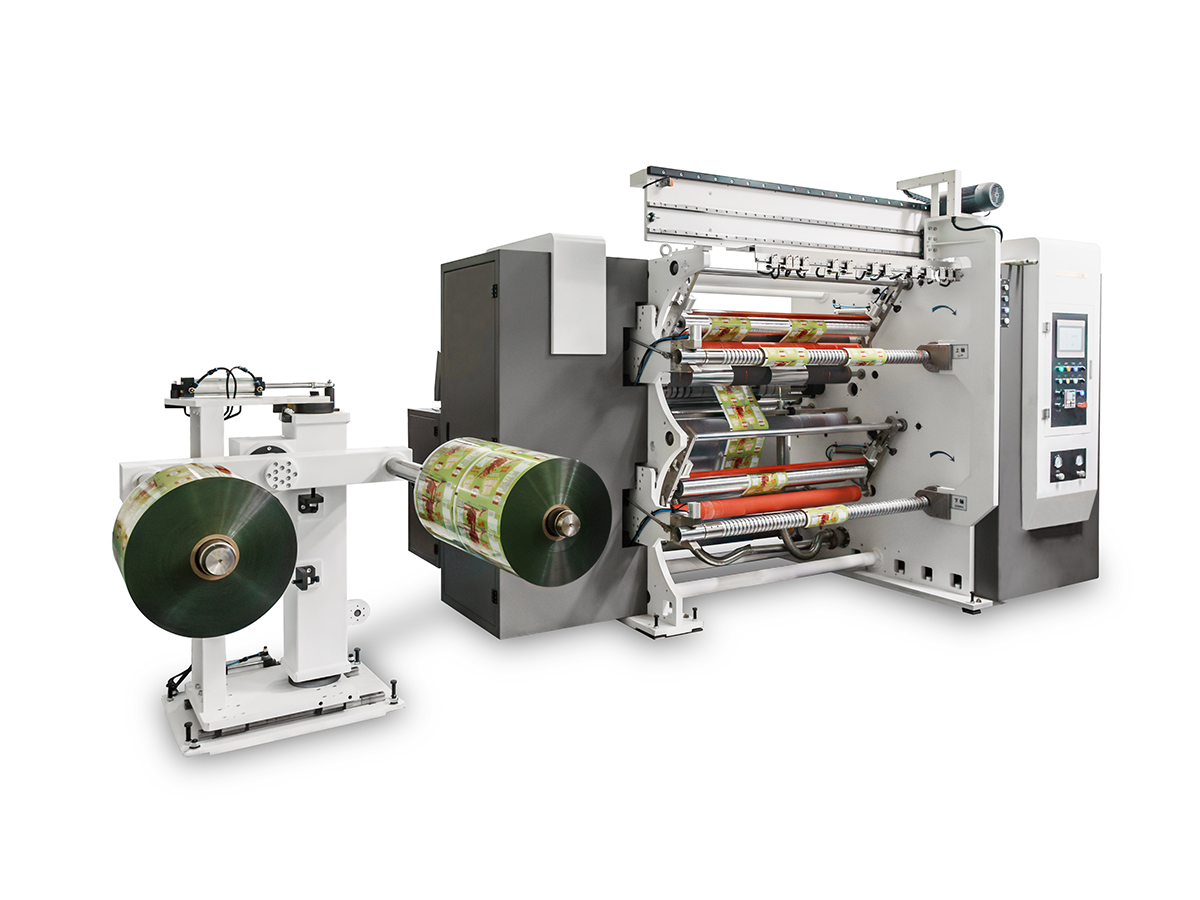
The fundamental architecture of a solventless laminator includes several critical components that work in coordination:
The integration of these components creates a seamless production flow where materials move through the machine at controlled speeds while adhesive application, bonding, and curing occur simultaneously.
The operational process of a solventless laminating machine follows a systematic sequence that ensures optimal adhesion and product quality. Understanding each stage provides insight into why these systems deliver superior results compared to traditional lamination methods.
The process begins with substrate materials loaded onto unwind stations. These materials, typically supplied in large rolls, are carefully threaded through the machine's path. Tension control systems maintain consistent pulling force on both substrates to prevent slack, wrinkling, or misalignment. Precision sensors monitor material position and detect any deviations that might compromise lamination quality. Speed regulators ensure that all materials move through the machine at synchronized rates, which is critical for proper adhesive coverage and bond formation.
Once materials enter the laminating zone, the adhesive application system dispenses controlled quantities of solventless bonding agents. Modern systems employ several application technologies:
The adhesive flow rate is critical and must be carefully calibrated. Too little adhesive results in inadequate bonding and potential delamination during use, while excess adhesive creates waste, increases production costs, and may compromise the laminate's flexibility or barrier properties. Advanced metering systems maintain consistent coating weight within tight tolerances, typically ranging from 3 to 8 grams per square meter depending on application requirements.
As the adhesive-coated substrate meets the second material layer, laminating rollers or a nip zone applies controlled mechanical pressure. This pressure serves multiple functions: it forces the materials into intimate contact, eliminates air pockets that could create weak spots, distributes adhesive evenly across the bond interface, and initiates the chemical cross-linking process of the reactive adhesive. The pressure typically ranges from 50 to 150 bar depending on substrate materials and desired bond strength.
Heat is essential for solventless lamination to achieve full bond strength. The machine incorporates heating units positioned after the initial nip zone. These may include:
The thermal profile determines the curing speed and final bond characteristics. Temperature typically ranges from 60 to 120 degrees Celsius, maintained for sufficient dwell time to allow the polyurethane or other reactive adhesive to fully cross-link. This controlled curing process is gentler on heat-sensitive substrates compared to hot melt lamination, reducing the risk of film shrinkage, warping, or distortion.
After curing, the laminated material passes through cooling zones where temperature gradually decreases. This controlled cooling prevents thermal stress that could cause curling or delamination. Once the material reaches ambient temperature and the adhesive has fully cured, the finished laminate is wound onto rewind stations. Some systems include automatic edge trim features to remove waste material and ensure precise roll widths. Quality control measurements of final product specifications may be conducted before material is collected for shipment.
The solventless laminating equipment market offers several configurations designed for different production requirements and material combinations. Understanding these variations helps manufacturers select the most suitable system for their specific operations.
Duplex systems bond two substrate layers together, making them ideal for basic flexible packaging applications. These machines are typically compact and cost-effective, suitable for manufacturers producing single-layer laminated structures. The simplicity of duplex systems makes them excellent entry points for companies transitioning from solvent-based to solventless lamination technology. Processing speeds typically range from 50 to 200 meters per minute, depending on substrate materials and adhesive system requirements.
A triplex solventless laminating machine bonds three substrate layers simultaneously, enabling the creation of more complex barrier structures. This configuration is particularly valuable for applications requiring enhanced protection against oxygen, moisture, or light transmission. Triplex systems can process combinations such as film-adhesive-foil or film-adhesive-paper, producing multilayer structures in a single pass. The ability to create sophisticated laminate compositions makes triplex systems popular in food packaging, pharmaceutical applications, and industrial uses where barrier performance is critical.
A high speed solventless laminator is engineered for maximum productivity, typically capable of processing materials at speeds exceeding 250 meters per minute. These systems are designed for large-scale manufacturers requiring output volumes that justify the investment in premium equipment. High-speed machines incorporate advanced heating technologies, precision adhesive metering systems, and enhanced cooling zones to maintain product quality at elevated processing speeds. The control systems in high-speed equipment are particularly sophisticated, featuring real-time monitoring and automatic adjustment capabilities to compensate for variations in material properties or environmental conditions.
Combi systems combine multiple lamination functions within a single machine platform. These versatile units can switch between duplex, triplex, or even quad lamination configurations, allowing manufacturers to process diverse product specifications without equipment changes. Combi laminators offer significant flexibility for contract manufacturers or companies producing varied product portfolios. While the initial investment is higher than dedicated systems, the versatility often results in better overall equipment utilization and faster changeover between different lamination requirements.
The emergence of solventless laminating technology has created distinct advantages compared to traditional approaches. Understanding these benefits clarifies why many manufacturers are shifting toward solventless systems.
Solventless lamination eliminates volatile organic compound emissions entirely, creating a safer working environment for plant personnel. Traditional solvent-based lamination requires complex ventilation systems, solvent recovery equipment, and hazardous material handling protocols. Solventless systems eliminate these safety concerns, reduce regulatory compliance burden, and contribute to improved air quality within manufacturing facilities. Environmental regulations in many regions now favor or mandate solventless technologies, making them the preferred choice for manufacturers seeking regulatory alignment and sustainability credentials.
Solventless lamination delivers superior bond strength and consistency compared to dry lamination methods. The reactive adhesives used in solventless systems create permanent chemical bonds that resist delamination even under challenging storage conditions, temperature fluctuations, or moisture exposure. The resulting laminates exhibit excellent flexibility, puncture resistance, and seal strength essential for demanding packaging applications. Quality control metrics demonstrate that solventless laminates maintain structural integrity throughout extended shelf life periods, providing manufacturers with confidence in product reliability.
Solventless systems operate without solvent-related downtime. Traditional lamination methods require production pauses for solvent system maintenance, recovery equipment servicing, or adhesive system changes. Solventless equipment operates more continuously, resulting in higher effective production capacity. The simplified material handling and absence of hazardous chemical storage also reduce operational complexity and safety management overhead.
While initial equipment costs for solventless laminators may be higher than some traditional alternatives, total cost of ownership typically favors solventless systems. Elimination of expensive solvent recovery equipment, reduced waste disposal costs, minimized environmental compliance expenses, and enhanced production efficiency combine to deliver attractive return on investment. Many manufacturers recover equipment costs within three to five years through operational savings.
Dry lamination uses water-based adhesives applied before the lamination process, while solventless lamination applies reactive adhesives during the lamination operation. Solventless systems offer faster curing times, better control over adhesive coating weight, superior bond strength development, and improved consistency. Dry lamination requires additional pre-treatment steps and longer curing periods, while solventless systems integrate adhesive application and bonding into a single efficient operation.
| Technology Type | Environmental Impact | Bond Strength | Processing Speed | Equipment Cost |
|---|---|---|---|---|
| Solventless | Excellent | Very High | High | Premium |
| Dry Lamination | Good | Moderate | Moderate | Moderate |
| Solvent-Based | Poor | High | Moderate | Moderate |
| Hot Melt | Good | Moderate | Very High | Moderate |
Precise control of adhesive coating weight represents one of the most critical operational parameters in solventless lamination. The amount of adhesive applied directly influences bond strength, production cost, product performance, and substrate compatibility. Modern solventless laminators incorporate sophisticated systems to ensure consistent coating weight across the material width and throughout production runs.
Adhesive coating weight is typically measured in grams per square meter and directly correlates with laminate quality. Insufficient coating creates weak bonds prone to delamination, while excess adhesive wastes material and increases costs without improving performance. The optimal range for most applications falls between 3 and 8 grams per square meter, though specific requirements vary based on substrate materials and end-use conditions. For food packaging applications requiring extended shelf life, tighter control within narrower ranges may be necessary.
Modern solventless laminators employ several advanced technologies to control adhesive application:
Advanced control systems continuously monitor actual adhesive coverage and automatically adjust application rates to compensate for variations. Sensors detect material width changes, speed fluctuations, or adhesive viscosity variations, triggering real-time adjustments to maintain constant coating weight. Data logging systems record all process parameters throughout production, providing quality documentation and enabling traceability. This level of control ensures batch-to-batch consistency and reduces waste from out-of-specification product.
Improved coating weight control directly reduces adhesive waste. Even small reductions in coating weight across large production volumes generate significant material savings. A 10% reduction in adhesive consumption translates to proportional cost reduction without compromising laminate quality when proper control systems are implemented. The investment in precision metering technology typically pays dividends through reduced adhesive consumption within months of equipment installation.
Solventless lamination technology has become essential for modern flexible packaging manufacturing, enabling production of sophisticated barrier structures that protect product quality and extend shelf life. The versatility of these systems supports diverse applications across multiple industries.
The food industry represents the largest application segment for solventless laminators. Multi-layer laminates created through solventless bonding provide the barrier properties essential for protecting food products against moisture, oxygen, light, and aroma transmission. Coffee packaging, snack wraps, liquid food pouches, and aseptic packaging all benefit from the superior performance of solventless laminates. The elimination of solvent residues ensures compliance with stringent food contact regulations and eliminates concerns about solvent migration into packaged products.
Pharmaceutical manufacturers rely heavily on solventless laminated structures for blister packaging, pouch packaging, and multi-layer barrier films. The solvent-free nature of these laminates eliminates contamination risks and ensures compliance with pharmaceutical regulatory requirements. The superior bond strength and dimensional stability of solventless laminates support the precision requirements of tablet and capsule packaging, where even minor film distortion could affect sealing integrity.
Beyond consumer packaging, solventless laminates serve industrial applications including protective films, adhesive tapes, thermal insulation materials, and electrical insulation laminates. The dimensional stability and thermal resistance properties of solventless bonds make them suitable for challenging applications where traditional adhesives might fail. High-temperature applications benefit from the superior thermal stability of polyurethane and other reactive adhesive systems used in solventless lamination.
Cosmetic packaging utilizes solventless laminates for flexible tubes, sachets, and composite structures. The imperceptible transfer of adhesive residues into cosmetic products, combined with the aesthetic quality of clean solventless laminates, makes these systems ideal for premium product packaging. The flexibility and durability of solventless laminates support the extended handling and shelf life requirements of cosmetic products.
Equipment investment represents a significant capital decision for packaging manufacturers. Understanding the pricing dynamics of solventless laminating machines and calculating return on investment requires consideration of multiple factors beyond initial purchase cost.
Solventless laminator pricing varies considerably based on several parameters:
Beyond equipment purchase, manufacturers should evaluate ongoing operational costs including adhesive material expenses, energy consumption, maintenance requirements, and replacement parts availability. Modern solventless systems typically exhibit lower total operating costs than traditional solvent-based equipment despite higher initial investment. The absence of solvent recovery systems, reduced hazmat handling costs, and minimized environmental compliance expenses contribute to favorable long-term economics.
Effective ROI calculation should incorporate multiple value streams: increased production capacity, reduced waste through improved efficiency, eliminated solvent-related costs, reduced environmental compliance expenses, and potential premium pricing for products created with solventless technology. Many manufacturers achieve equipment payback within three to seven years, with significantly extended service life extending value delivery well beyond the payback period. Equipment typically remains productive for 10-15 years with proper maintenance, providing substantial cumulative value.
Solventless laminating machines accommodate diverse substrate material combinations, enabling manufacturers to engineer laminates optimized for specific application requirements. Understanding material compatibility ensures successful lamination and optimal final product performance.
Polyethylene and polypropylene films represent the most commonly laminated materials due to their cost-effectiveness and availability. Polyester films provide enhanced barrier properties and durability for demanding applications. Low-density polyethylene works well for flexibility-critical applications, while high-density polyethylene offers superior stiffness. All conventional film materials bond effectively with solventless adhesive systems when surface preparation and process parameters are optimized.
Aluminum foil provides superior oxygen and moisture barriers essential for long-shelf-life products. Solventless adhesives bond reliably to foil surfaces, creating laminates that resist delamination even under challenging storage conditions. The combination of film and foil through solventless lamination creates multilayer structures with exceptional barrier performance. Foil thickness typically ranges from 6 to 20 micrometers, with thickness selection depending on barrier requirements and cost considerations.
Kraft paper and specialty papers represent important substrates for sustainable packaging applications. Solventless lamination bonds paper materials effectively, creating laminates that combine paper integrity with film protection properties. These combinations support moisture barrier and structural reinforcement in composite packaging structures. Paper substrates generally require slightly different process parameters than plastic films due to their porosity and moisture sensitivity.
Advanced materials including metalized films, oriented films, and coated substrates can be laminated using solventless technology when process conditions are carefully controlled. Fabric and non-woven materials integrate into laminate structures for specialized applications including industrial textiles and composites. The versatility of solventless lamination technology supports innovation in material combinations.
Proper operation and maintenance of solventless laminating machines ensures consistent product quality, extended equipment life, and optimal return on investment. Understanding key technical specifications and maintenance requirements is essential for plant personnel responsible for equipment management.
Standard solventless laminating equipment typically operates within these parameters:
Regular maintenance prevents equipment degradation and extends service life. Daily maintenance includes inspection of nip rolls for contamination or buildup, verification of tension control systems, checking adhesive supply levels, and monitoring temperature readings. Weekly procedures include cleaning application heads to prevent adhesive blockages, verification of pressure gauge accuracy, and inspection of cooling system performance. Monthly maintenance encompasses complete equipment inspection, measurement of nip roll clearances, verification of control system accuracy, and documentation of all operational parameters.
Comprehensive preventive maintenance programs reduce unexpected downtime and extend equipment operating life. Programs typically include scheduled replacement of wear components including nip rolls, application head elements, seals, and heating elements. Bearing lubrication, seal inspection, and replacement of worn gaskets prevent fluid leaks and contamination. Annual professional service inspections identify potential issues before they develop into equipment failures.
Effective troubleshooting addresses common challenges quickly, minimizing production interruptions. Cold bond spots indicate inadequate pressure or temperature and require adjustment of process parameters. Excessive adhesive use suggests metering system miscalibration or adhesive viscosity issues. Delamination after curing may indicate insufficient adhesive coating, inadequate pressure during bonding, or insufficient curing temperature. Substrate wrinkling typically results from improper tension control and requires adjustment of unwind and rewind station settings. Equipment manufacturers provide detailed troubleshooting guides supporting effective problem resolution.
The solventless lamination industry continues evolving with technological advances addressing efficiency, sustainability, and product quality. Understanding emerging trends helps manufacturers make informed equipment investment decisions aligned with future market directions.
Modern solventless laminators increasingly incorporate Industry 4.0 technologies including real-time production data collection, predictive maintenance algorithms, and remote monitoring capabilities. Internet-connected equipment enables manufacturers to track performance metrics, predict maintenance requirements, and optimize production parameters from centralized control centers. Artificial intelligence algorithms analyze historical data to suggest process improvements and identify inefficiencies.
Development of advanced reactive adhesive systems continues improving laminate performance while reducing environmental impact. Bio-based polyurethane adhesives derived from renewable resources offer sustainability benefits without compromising bond strength or curing characteristics. Water-based reactive systems represent another emerging category offering further environmental advantages. These adhesive innovations drive continued improvements in solventless lamination technology capabilities.
Environmental regulations continue driving industry shift toward solventless technologies. Emerging regulations restricting volatile organic compound emissions and solvent usage accelerate adoption of solventless laminating systems. Manufacturers increasingly view solventless equipment as strategic investment supporting environmental compliance and sustainability objectives. Extended producer responsibility regulations in some regions create incentives for products created using solventless technology.
Equipment manufacturers continually enhance processing speed and efficiency capabilities. Recent developments in heating technology, improved cooling systems, and optimized adhesive metering enable higher productivity from individual equipment units. These efficiency improvements support manufacturers achieving higher throughput without proportional increases in capital equipment investments.
Solventless lamination uses reactive adhesives applied during the lamination process that bond substrates through chemical cross-linking initiated by heat and pressure. No volatile organic compounds are released. Solvent-based lamination applies adhesive containing organic solvents that evaporate during curing, releasing these compounds into the environment. Solventless systems offer superior environmental safety, better bond strength development, and eliminate solvent-related operational complexity.
Most solventless lamination applications operate within the 3 to 8 grams per square meter coating weight range. Specific requirements vary based on substrate materials, desired bond strength, and end-use conditions. Food packaging applications often utilize coating weights at the lower end of this range, while demanding industrial applications may require weights at the higher end. Precise metering systems ensure consistent application within specified tolerances.
The curing time depends on the specific adhesive system used, process temperature, and substrate materials. Most solventless adhesive systems achieve initial set within minutes of lamination, allowing immediate material collection. Full cure development to maximum bond strength typically requires 24 to 72 hours at ambient temperature, though elevated temperatures during processing accelerate this timeline. Manufacturers typically allow at least overnight rest before subjecting laminates to demanding end-use conditions.
Solventless technology accommodates all conventional flexible packaging materials including polyethylene, polypropylene, polyester films, aluminum foil, kraft paper, and combinations thereof. More specialized materials including metalized films, oriented films, and non-woven materials can be laminated with optimized process parameters. The versatility of solventless adhesive systems supports innovation in material combinations.
Modern machines employ sophisticated metering systems including extrusion heads with precision screw control, pump-based delivery with flow monitoring, and slot die application heads distributing adhesive uniformly across substrate width. Sensors continuously monitor application rates and automatically adjust for variations in material width, processing speed, or adhesive properties. This closed-loop control ensures coating weight remains within specified tolerances throughout production runs.
Solventless systems eliminate volatile organic compound emissions entirely, creating safer workplace conditions and reducing air quality impacts. They eliminate need for expensive solvent recovery equipment, reduce hazardous material handling requirements, and simplify regulatory compliance. These environmental benefits contribute to improved corporate sustainability profiles and support achievement of environmental certification objectives.
Solventless systems generally require less maintenance than solvent-based equipment due to absence of solvent handling systems and recovery equipment. Regular maintenance includes nip roll inspection, adhesive supply verification, and temperature monitoring. Preventive maintenance programs typically include annual professional servicing and periodic replacement of wear components. Overall maintenance burden is lower than traditional technologies, reducing operational complexity.
Equipment payback timelines typically range from three to seven years depending on production volume, product mix, and current operations baseline. Savings sources include eliminated solvent-related costs, reduced waste through improved efficiency, minimized environmental compliance expenses, and production capacity improvements. Many manufacturers achieve measurable cost reductions within the first year of operation, with cumulative savings growing substantially over equipment service life.
Yes, particularly combi and multipurpose solventless laminators designed with configuration flexibility. These systems can adjust between duplex, triplex, or specialized lamination modes to accommodate different product specifications. Adhesive systems can be changed relatively quickly, and most modern equipment includes rapid setup procedures supporting efficient changeover between products. This flexibility makes solventless systems suitable for contract manufacturers and companies with diverse product portfolios.
Processing temperature must be optimized for each substrate material combination to ensure effective adhesive curing while preventing substrate degradation. Heat-sensitive films require lower temperature profiles with extended dwell times, while more robust materials tolerate higher temperatures enabling faster curing. Modern control systems allow detailed temperature profiles customized for specific material combinations, preventing thermal damage while achieving complete adhesive cross-linking.
Kontakt oss
Anbefalte produkter
Slår hender sammen med Huitong
Tilpass din fleksible pakkeutstyrsløsning
Spør nå
Produkter
kontakt oss

Tlf.: +86-0510-86328508
+86-0510-86324508
Mobb: +86-13914908980
E-post: [email protected]
Legge Til: nr. 429 Xizhang Road, Gushan Town, Jiangyin City, Jiangsu-provinsen, Kina